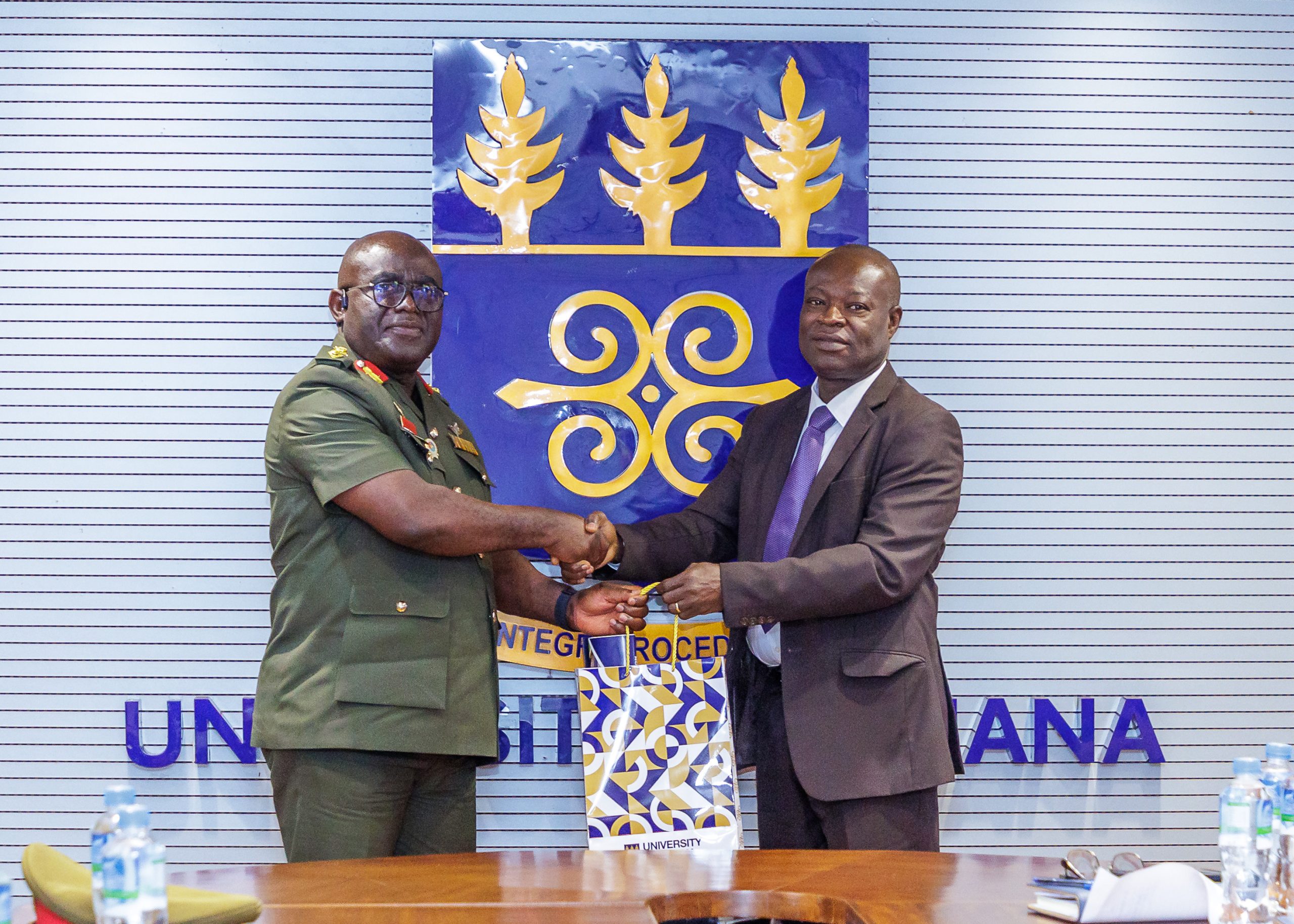
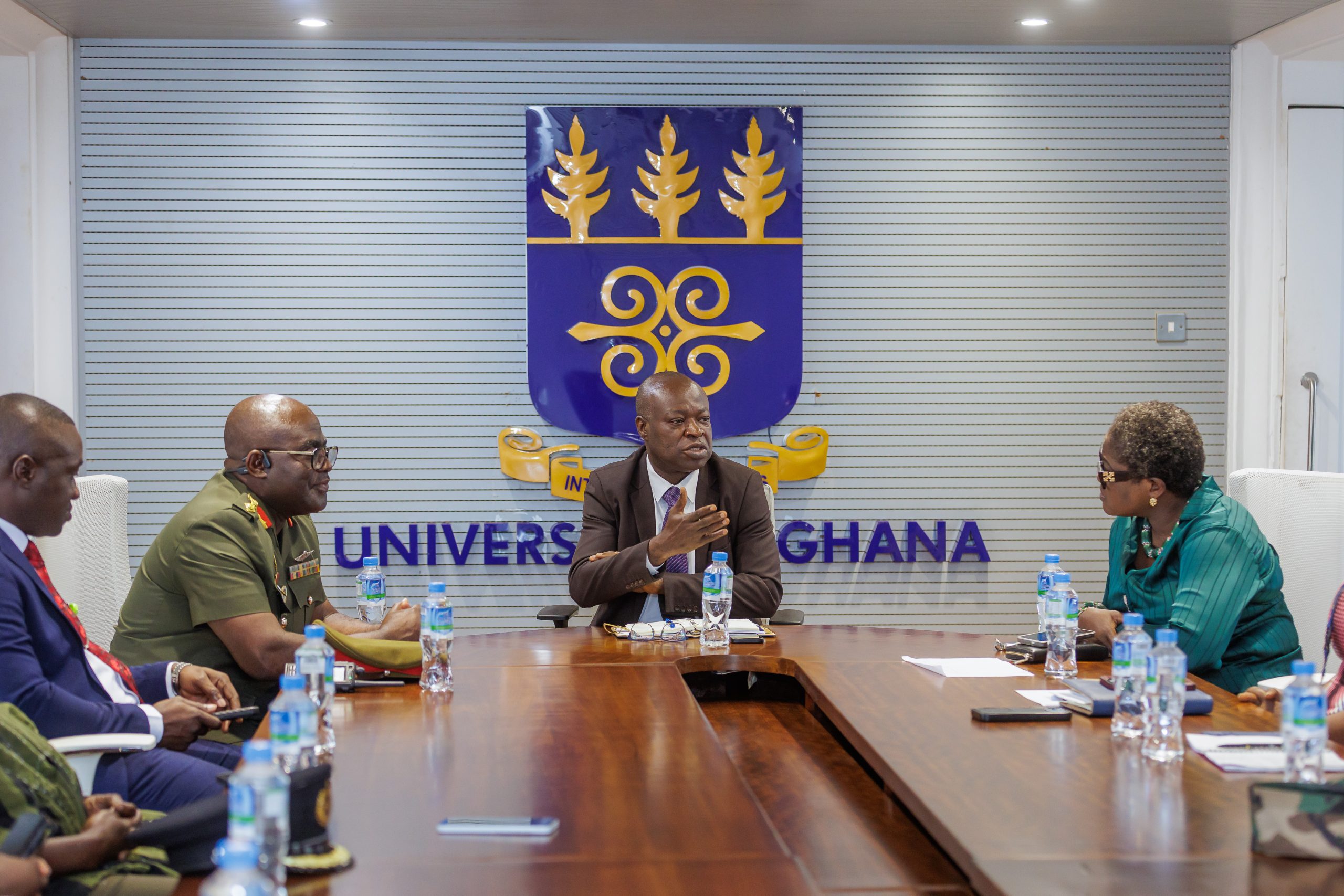

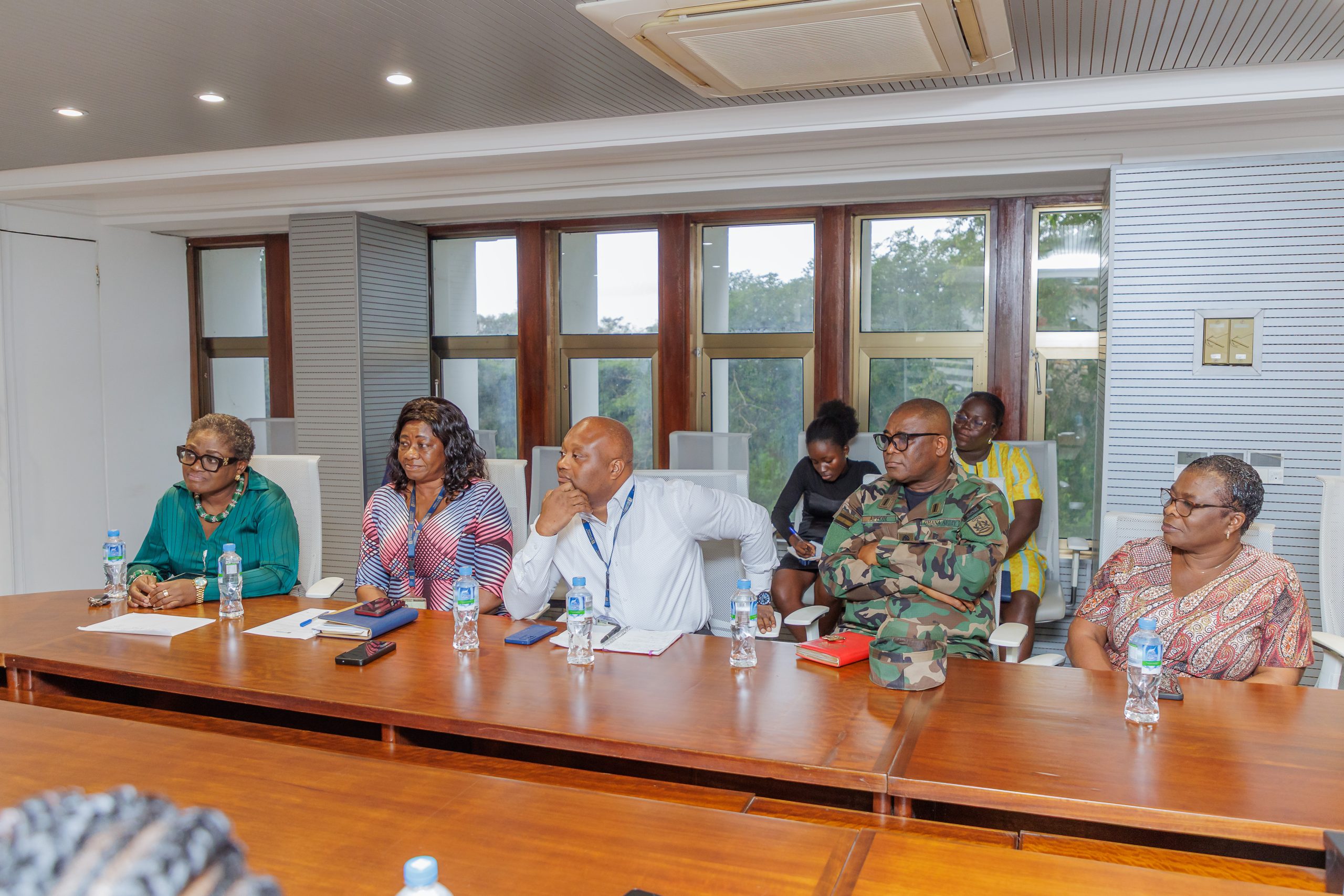

The Narcotics Control Commission (NACOC) has engaged the Management of the University of Ghana, Legon, to strengthen collaboration in addressing substance abuse and drug-related activities among students on campus.
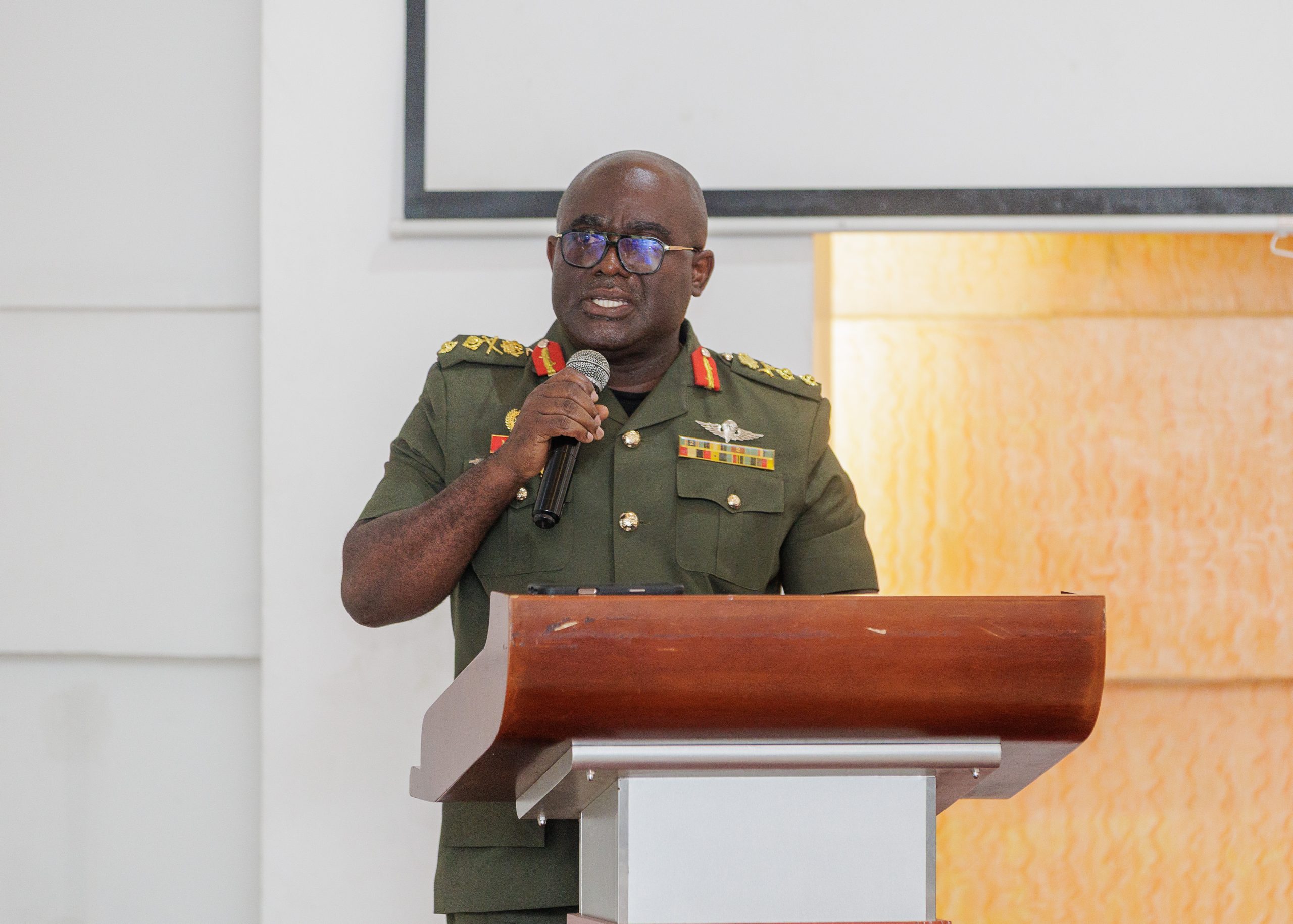
The engagement, led by the Director-General of NACOC, Major General Maxwell Obuba Mantey, focused on practical measures to prevent the use, distribution and sale of illicit drugs within the university community, particularly among students.
A major concern raised during the engagement was the growing practice of some individuals selling edible products laced with cannabis to unsuspecting students, particularly during hall week celebrations and other student-centred activities.
The discussions highlighted the need for closer collaboration between NACOC and the University to identify emerging trends in drug use, intensify preventive education and ensure that students have access to appropriate counselling and support services.
Major General Maxwell Obuba Mantey said NACOC was particularly concerned about the increasing vulnerability of young people to substance abuse and the potential consequences for their health, education, future careers and the wider society.
He explained that NACOC’s responsibility went beyond enforcement and the arrest of persons involved in drug-related offences, stressing that the Commission was equally committed to prevention, public education, counselling and rehabilitation.
According to him, students who may already be struggling with substance use should not be left without support.
He noted that NACOC was prepared to work with the University to provide students with relevant education on the dangers associated with substance abuse while encouraging those experiencing challenges with drug use to seek professional help early.
The Director-General further emphasised the importance of reaching young people with accurate information, particularly in an environment where myths and misconceptions about cannabis and other substances continue to influence attitudes and behaviours.
He said stronger institutional collaboration was necessary to protect students from being introduced to drugs and to ensure that the university environment remained conducive to learning and personal development.
The Director and Senior Counsellor of the University’s Careers and Counselling Directorate, Rev. Dr. Mrs. Bridget Ben-Naimah, expressed appreciation to NACOC for the engagement and reaffirmed the University’s commitment to maintaining a drug-free campus.
She outlined measures being implemented by the University to prevent and address drug-related activities among students, including interventions through the University’s counselling structures and disciplinary mechanisms.
Rev. Dr. Mrs. Ben-Naimah disclosed that students found with evidence of involvement in drug trafficking could face severe disciplinary sanctions, including expulsion from the University and the various halls of residence.
She stressed that the University would continue to take a firm position against drug trafficking and other activities that could endanger the wellbeing of students and undermine the University’s academic environment.
She also underscored the importance of collaboration with institutions such as NACOC to complement the University’s internal interventions with specialised expertise in drug prevention, education and enforcement.
The engagement forms part of efforts by NACOC to deepen partnerships with educational institutions as part of a broader strategy to prevent substance abuse among young people.
Both institutions agreed on the importance of sustained engagement, public education and early intervention in tackling drug-related challenges on campus.
The collaboration is expected to strengthen preventive programmes, improve awareness among students and support mechanisms for students who may require counselling or other forms of professional assistance.
NACOC reiterated its commitment to working with the University of Ghana and other educational institutions to protect young people from the harmful effects of substance abuse and promote healthier, safer and drug-free learning environments.
The Commission further called on students to be cautious about accepting food, sweets, drinks and other edible products from unknown persons, particularly during social events, and to report suspected drug-related activities to the appropriate authorities.
Related Articles
September 6, 2026

September 6, 2026