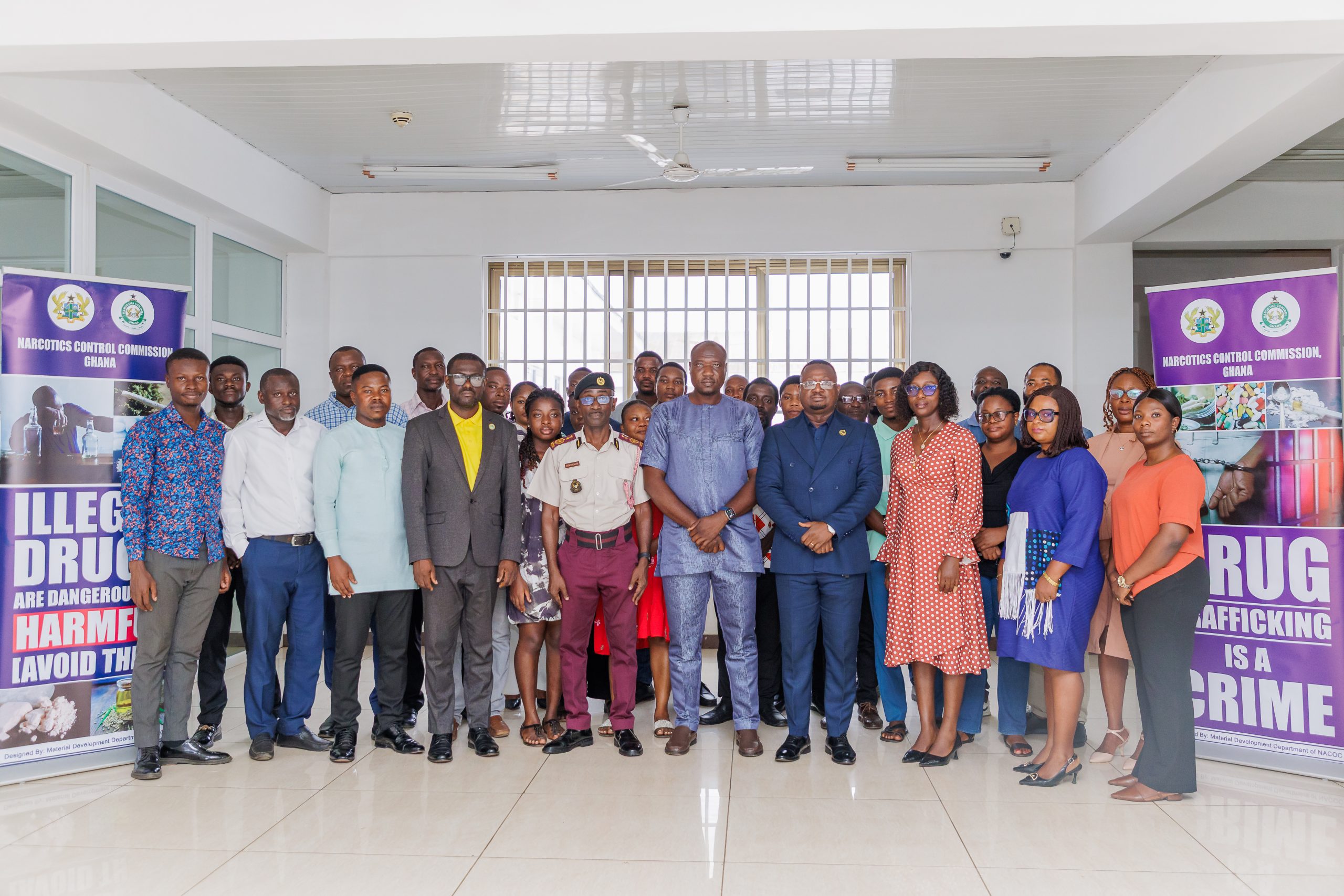

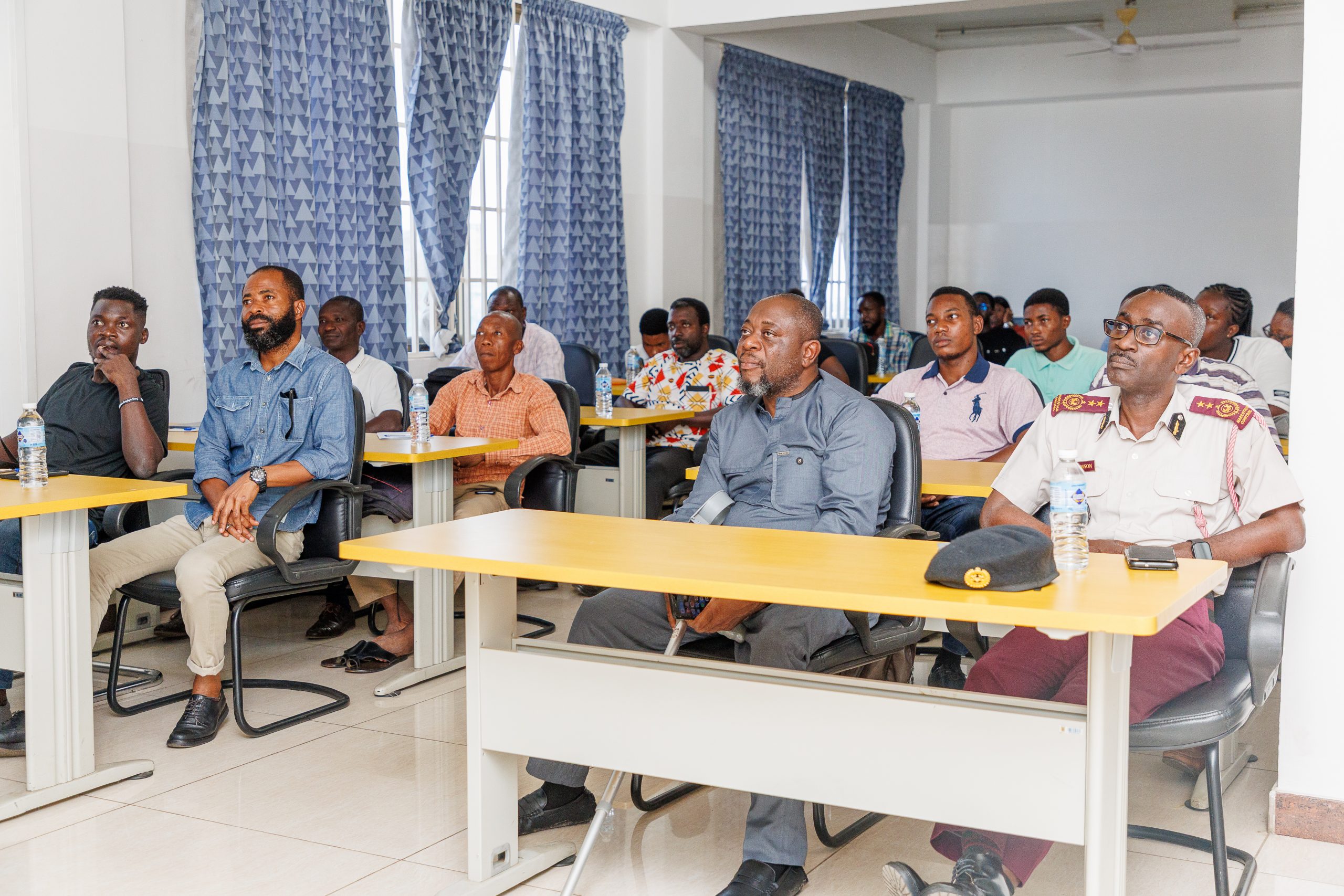
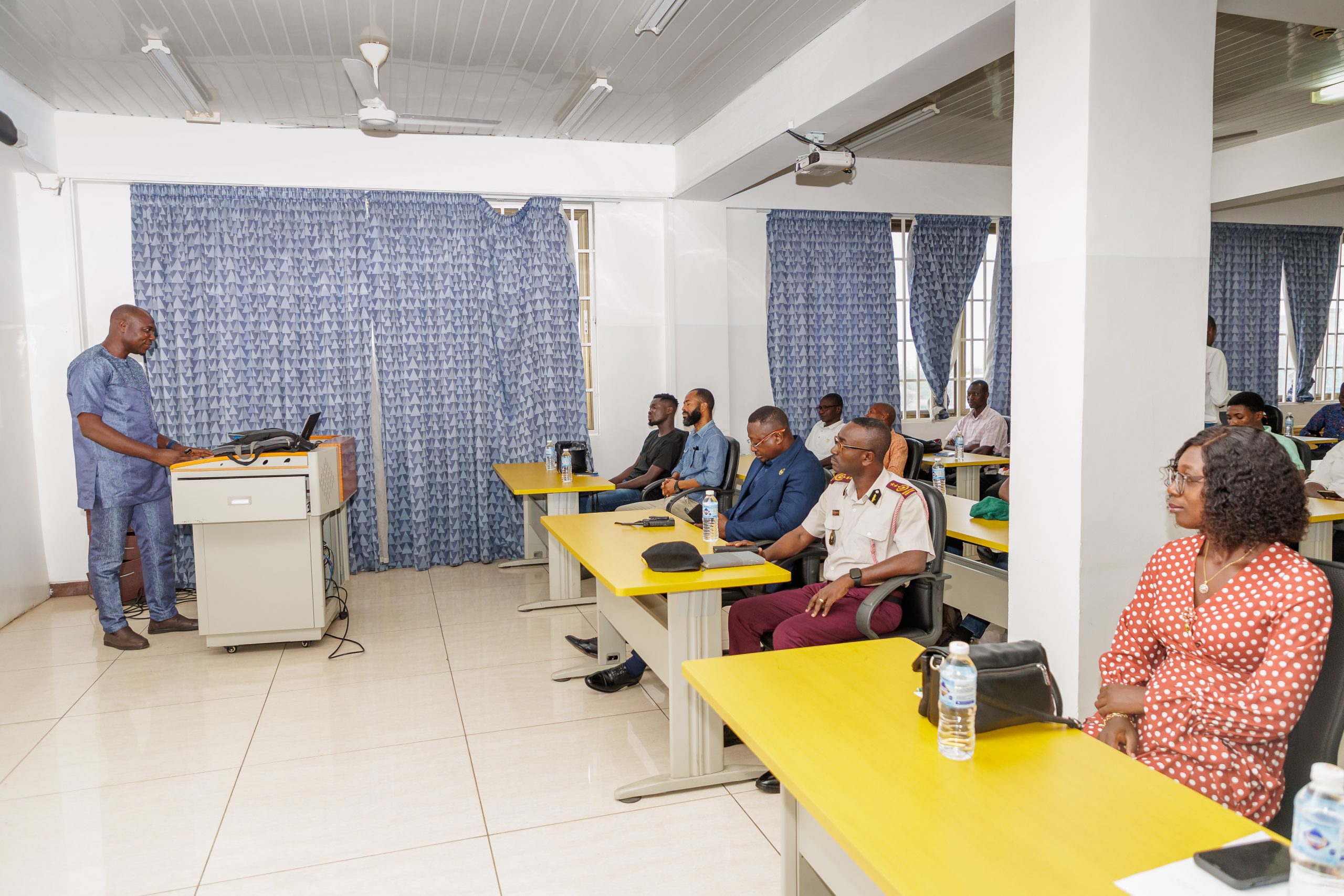
The Narcotics Control Commission (NACOC), in collaboration with the Research and Consultancy Centre (RCC) of the University of Professional Studies, Accra (UPSA), has organised a training programme for enumerators and supervisors ahead of a baseline study on substance use among young people in the La Nkwantanang-Madina Municipality.
The project was aimed at targeting young people aged 15 to 35 within the La-Nkwantanang Municipal of the Greater Accra Region.
It was also intended to generate reliable data to support targeted prevention, referral and rehabilitation interventions for the targeted age groups.
The baseline study was designed to provide critical insights into the prevalence and patterns of substance use among young people within the municipality.
Speaking at a training session which brought together more than thirty enumerators and six supervisors in preparation for a three-day field data collection exercise held on Monday, 18 May 2026, the Director of Research and Policy Planning at NACOC, PNCO Sylvester Koomson, stated that the Commission was committed to adding considerable importance to the training.
He stressed that given the relevance of the study to national efforts aimed at preventing substance abuse and strengthening evidence-based interventions, NACOC will partner respective agencies and stakeholders to champion such course.
PNCO Koomson further commended the UPSA Research and Consultancy Centre for the partnership, noting that the collaboration reflected a shared commitment to addressing substance abuse through research, public education and evidence-informed policymaking.
The training of enumerators and supervisors marks an important step in NACOC’s continuous effort to address substance abuse among the youth through evidence-based and data-driven approaches. He emphasized
On his part, Dr Siddique Abdul-Samad of the UPSA Research and Consultancy Centre underscored the importance of the exercise and the critical role of enumerators in ensuring the credibility of the study.
He urged participants to administer the survey instruments professionally, observe the required field protocols and submit regular progress reports during the data collection period.
Dr Abdul-Samad further encouraged the trainees to approach the assignment with diligence, integrity and a strong sense of responsibility, stressing that the quality of the data collected would be central to the usefulness of the final findings.
Participants were trained on the use of digital data collection tools, including KoboToolbox, and were guided through the study questionnaire to promote consistency, accuracy and reliability during the field exercise.
The baseline study will cover five suburbs, namely Madina, Teiman, Oyarifa, West Adentan and Pantang. It will collect data on selected substances, including alcohol, tobacco, shisha, marijuana, tramadol, codeine, cocaine, heroin and inhalants.
Findings from the exercise are expected to inform programme design and strengthen interventions in substance abuse prevention, support, referral and rehabilitation among young people.
Related Articles
September 19, 2026

September 19, 2026