
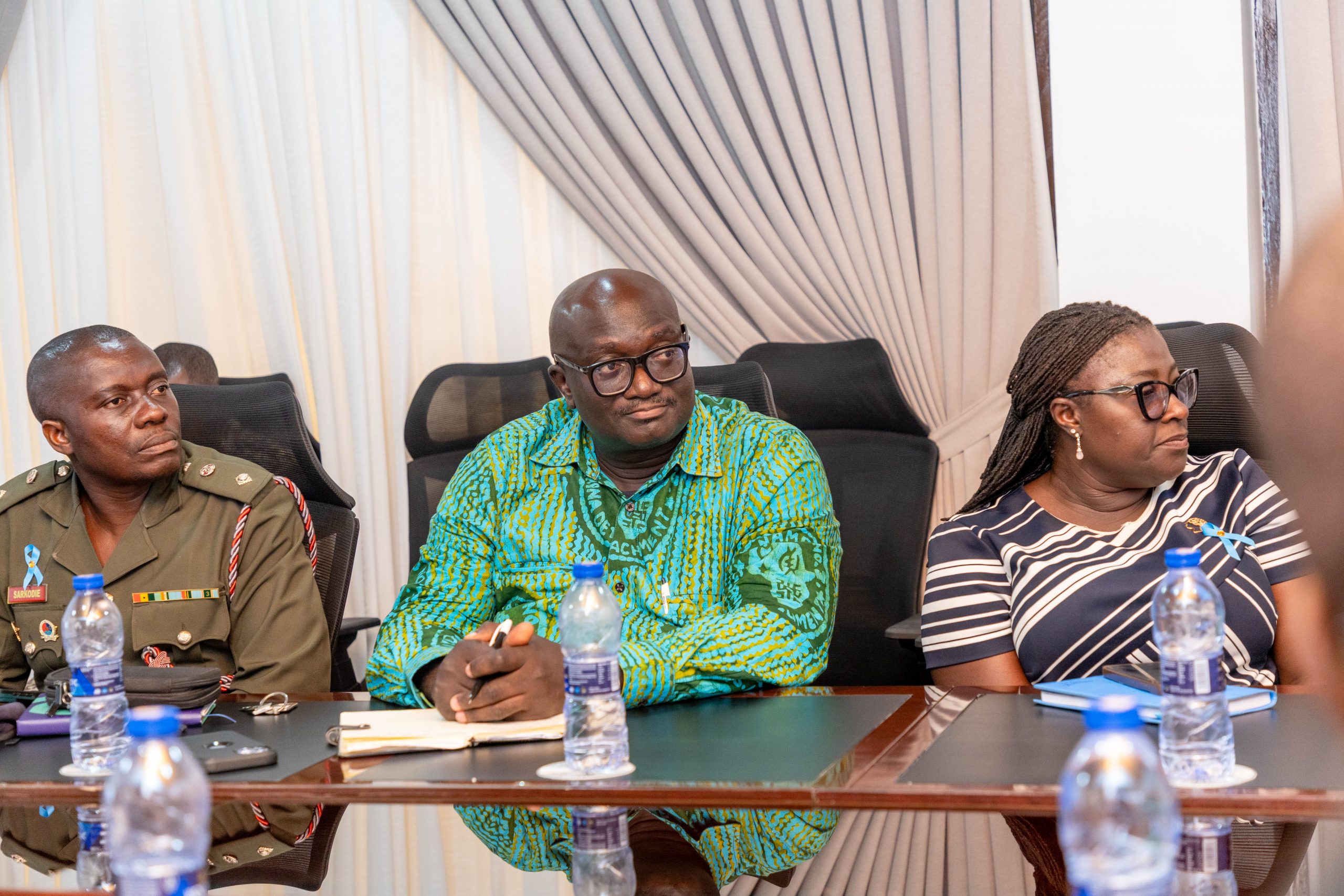
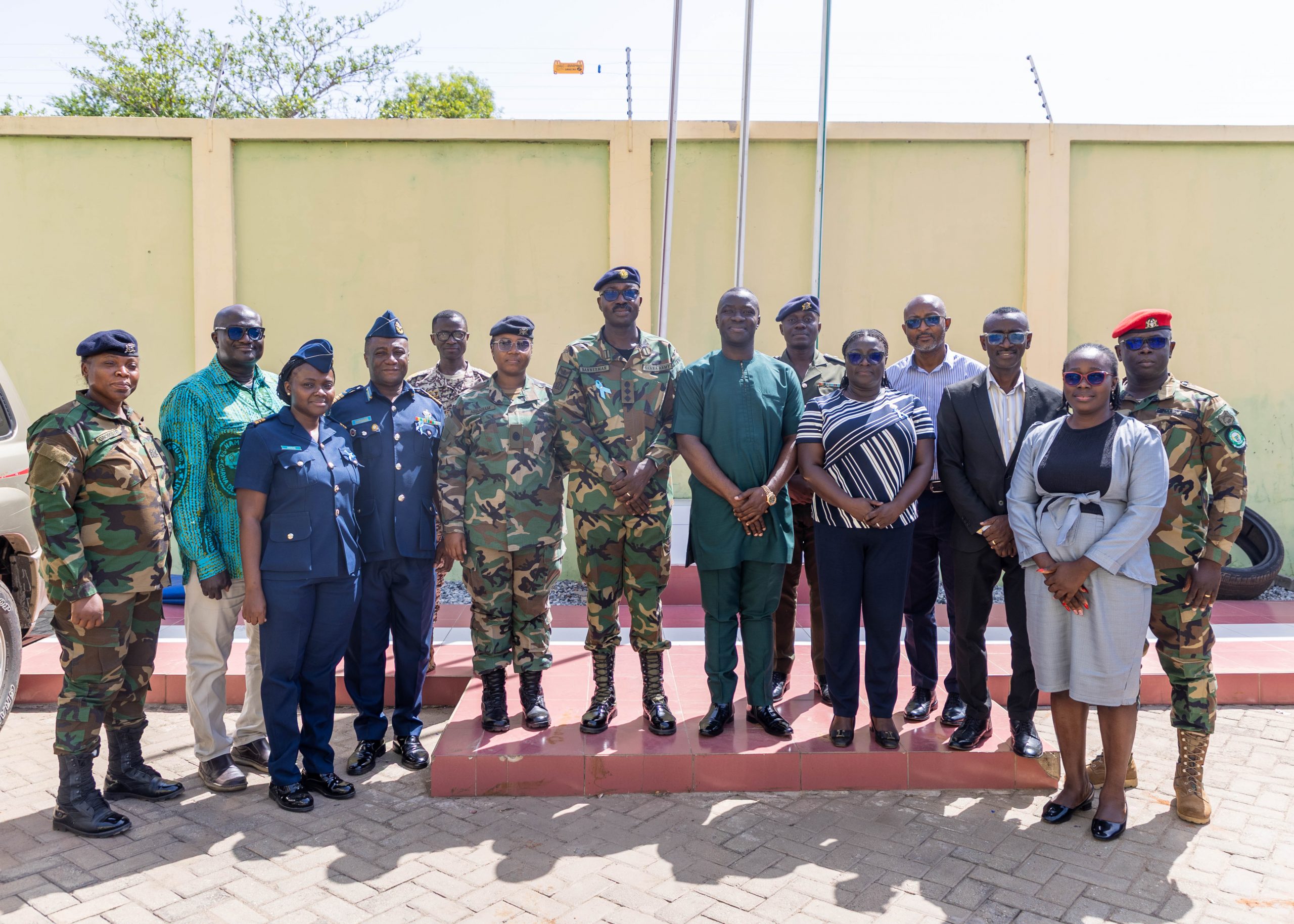
The Ghana Armed Forces (GAF) has taken a significant step toward strengthening the mental wellbeing of its personnel by developing a comprehensive Mental Health Policy aimed at addressing mental well-being and issues including substance use within the military.
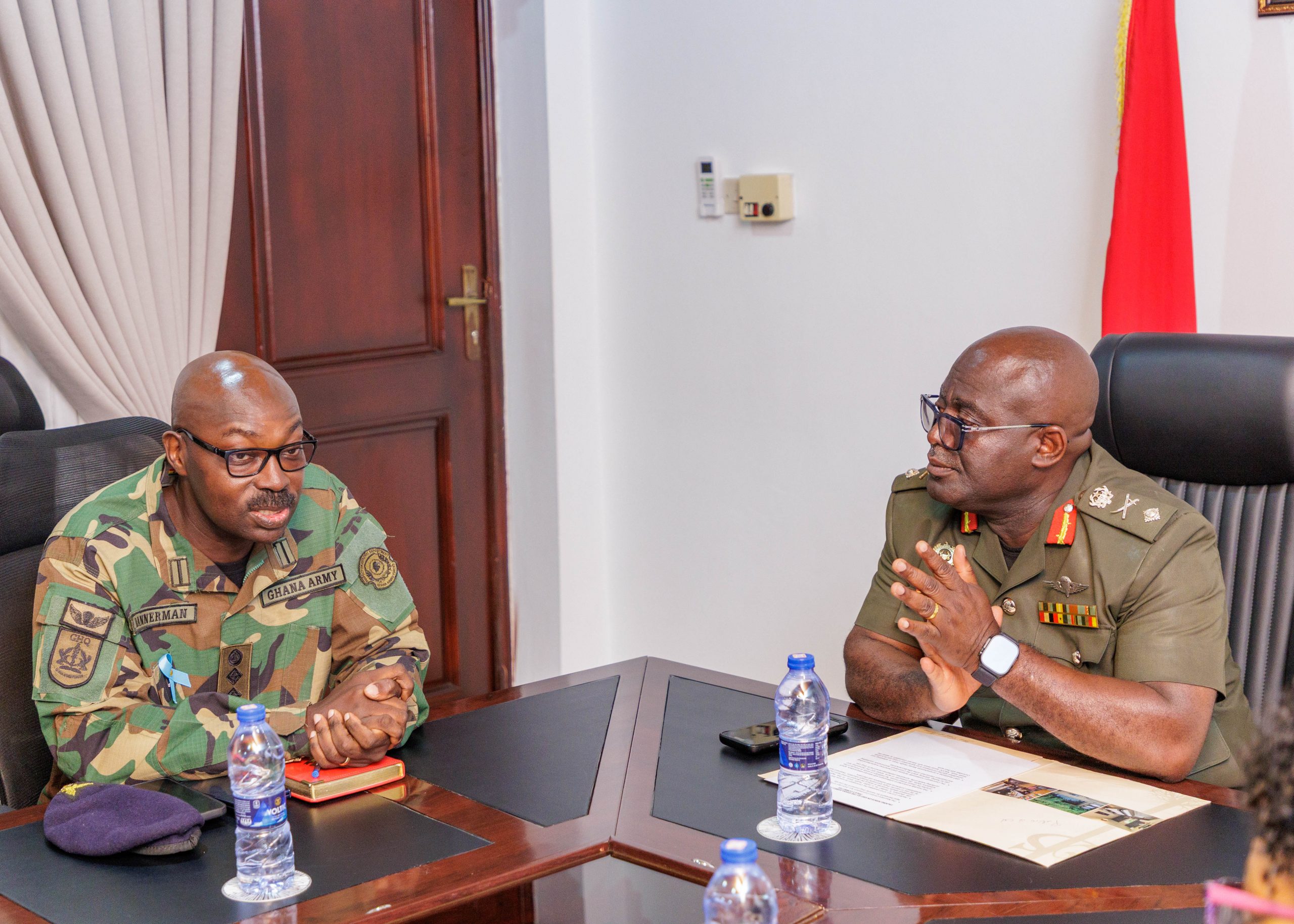
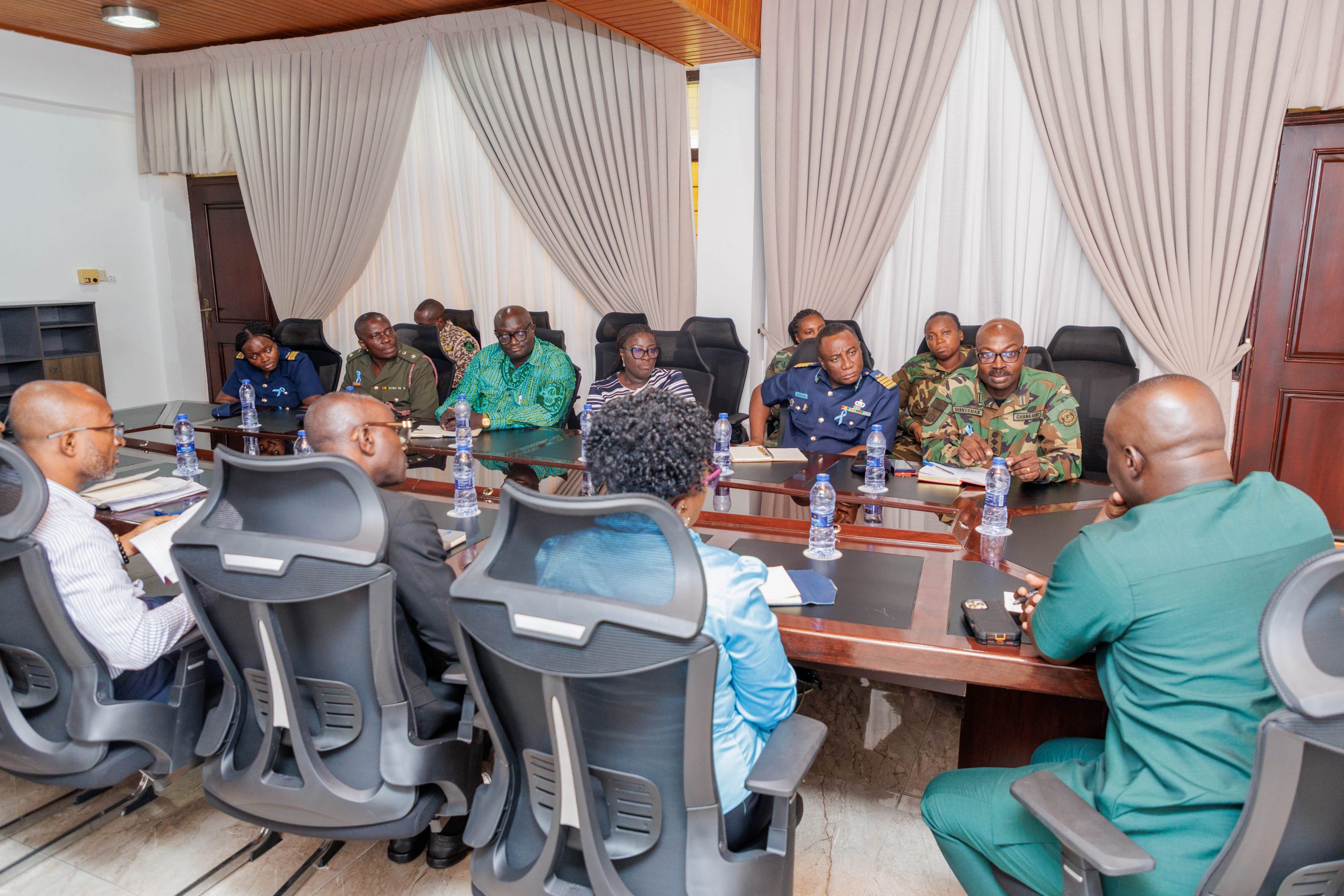
The GAF Mental Health Policy Committee has been collaborating with relevant stakeholders in seeking expert guidance in the development of the policy. On the issue of substance use, the committee is collaborating with the Narcotics Control Commission (NACOC) management on national strategies, prevention frameworks, and rehabilitation approaches to help shape the policy.
The initiative reflects the Armed Forces’ commitment to promoting mental wellness and ensuring operational readiness through better health support systems.
During the discussions, NACOC proposed the establishment of Drug-Free Clubs for youth and dependants living in military barracks. The clubs are expected to focus on building practical life skills rather than merely providing information on drugs. Areas of focus would include resilience, coping mechanisms for stress management without substance use, assertiveness, resisting peer pressure, and making healthy life choices.
NACOC also highlighted plans to operationalise the Substance Use Disorder (SUD) Fund as early as possible to support treatment and recovery efforts. In addition, the Commission intends to establish more Drop-in Centres across the country. These centres are free and easily accessible facilities where individuals struggling with drug use can receive immediate help and counselling without the need for prior appointments.
As part of the recommendations for GAF, NACOC proposed the integration of screening tools into routine military medical and psychological assessments. This would help identify early signs of substance abuse and mental health challenges among personnel.
The Commission further suggested piloting a Drug-Free Barracks Initiative to promote healthy living environments within military communities. It also encouraged the Armed Forces to foster a culture of mental wellness, maintain zero tolerance for drug misuse, and create an atmosphere where personnel can seek help without fear of stigma.
Another key proposal was the establishment of a direct and confidential referral system from command units to NACOC’s counselling unit, ensuring personnel who need assistance can access professional support promptly and discreetly.
Additionally, NACOC offered to host Universal Prevention Curriculum (UPC) and Universal Treatment Curriculum (UTC) training programmes for GAF medical officers and command staff to strengthen capacity in prevention, treatment, and rehabilitation.
The collaboration marks an important milestone in efforts to modernise healthcare support within Ghana Armed Forces and underscores the growing recognition of mental health as an essential pillar of national security and military effectiveness.
Related Articles
September 19, 2026
September 19, 2026