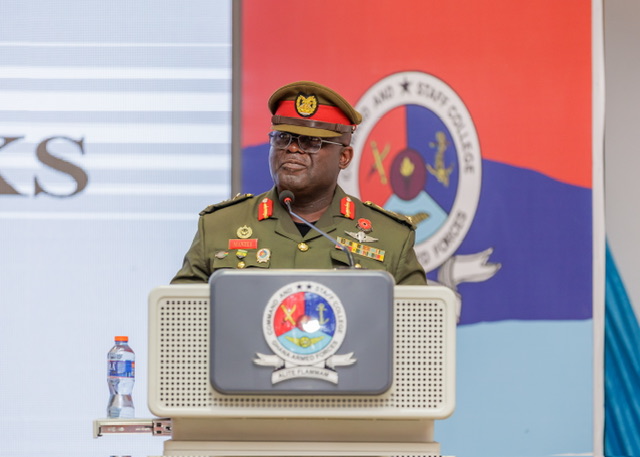
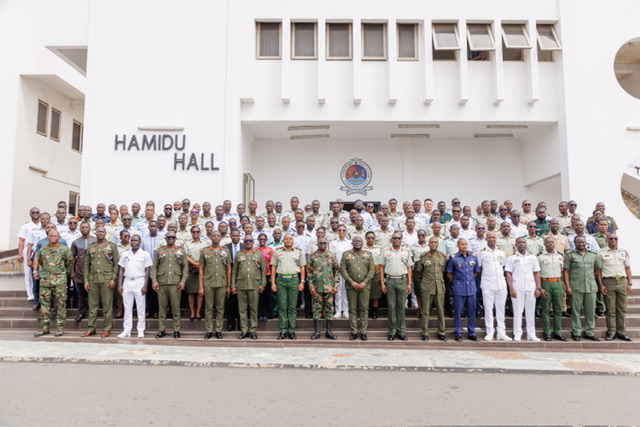
The Director-General of the Narcotic Control Commission, Brigadier General Maxwell Obuba Mantey, has said drug traffickers are increasingly exploiting the Gulf of Guinea to move illicit consignments through Ghana’s waters, making maritime governance a strategic component of national drug control.
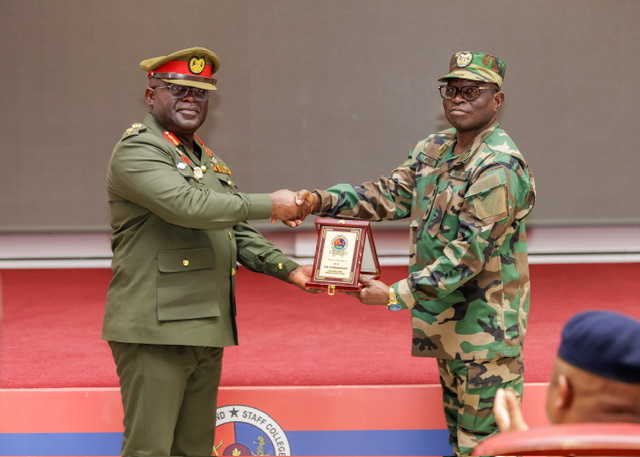
Delivering his closing remarks at the Sixth Maritime Sector Governance Course 2025, the DG of NACOC emphasized that under the Narcotics Control Commission Act 2020 (Act 1019), the commission is mandated to prevent, detect, investigate, and disrupt illicit drug trafficking across all domains, including the maritime environment.
He further stated that “the Commission’s intelligence assessments confirm the use of Ghana’s maritime routes as transit points for cocaine and emerging synthetic drugs, reinforcing the need for integrated maritime enforcement as a national priority”.
Brigadier General Mantey thus called for a strategic and effective collaboration among stakeholders to deny criminal syndicates access to Ghana’s territorial waters. “This cooperation will strengthen our capacity to track precursor chemicals, share maritime intelligence, and undertake coordinated interdiction operations with sister agencies”. He added
The course exposes participants to tools in maritime governance and intelligence operations across the maritime environment, among others. DG of NACOC also encouraged participants to prioritise information superiority. “We need to champion the adoption of secure, robust systems for real-time information exchange”. Adding that an integrated system that delivers timely intelligence is our strongest operational advantage against agile criminals.
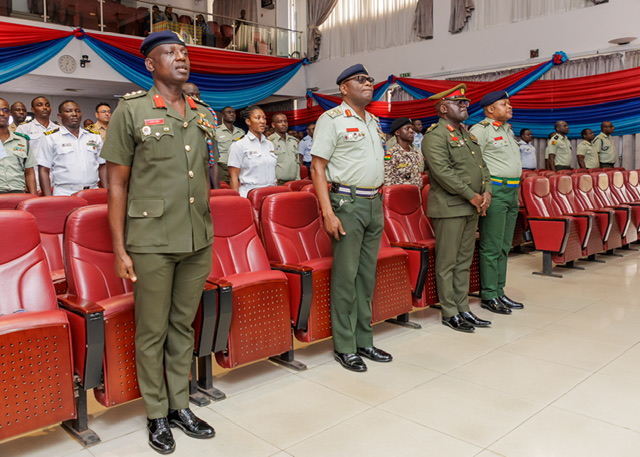
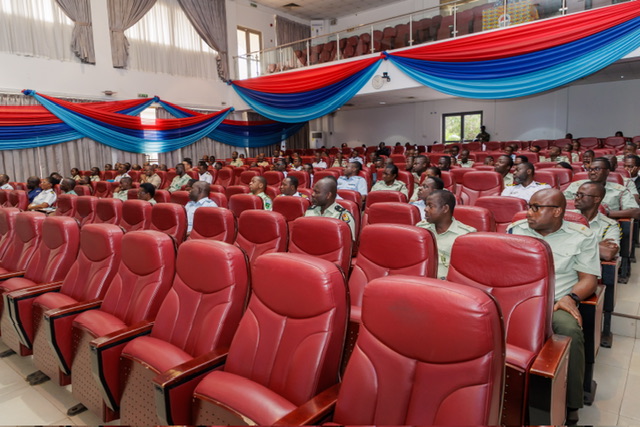
The aim of the Sixth Maritime Sector Governance Course is to provide participants, comprising professional maritime practitioners, affiliated stakeholders, and important decision-makers in the maritime industry, with the background knowledge required for effective maritime governance and related issues.